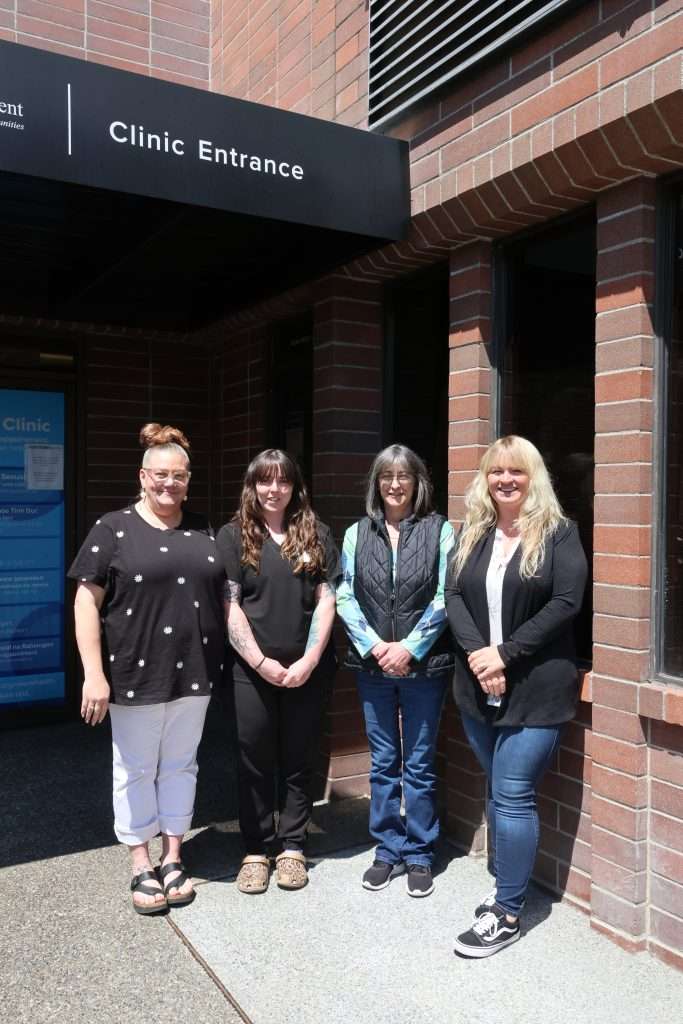
The first floor of our main building is hustle and bustle. Patients come and go from several different doors and walk-up windows.
Some get treatment in our STI clinic. Others head to our Opioid Treatment Services area. You might see people coming and going from counseling sessions, chatting with a nurse at a walk-up window, grabbing naloxone or waiting for group sessions.
There are a lot of moving parts that go into providing this care. But Substance Use Disorder Treatment Counselor Nicole Kaley says the core of the job is simple.
“I talk to people,” Nicole said. “That’s what I do. I talk to people all the time and we get them help.”
‘We see people from start to finish’
Opioid Treatment Services—we call it Treatment Services—helps people living with Opioid Use Disorder (OUD). The medications and counseling we provide give hope and support to hundreds of people in Pierce County.
Nicole and everyone who works in Treatment Services know how hard coming into the building for the first time can be.
“It’s an honor to work with people coming out of addiction,” she said. “They’re probably some of the most talented people I know.”
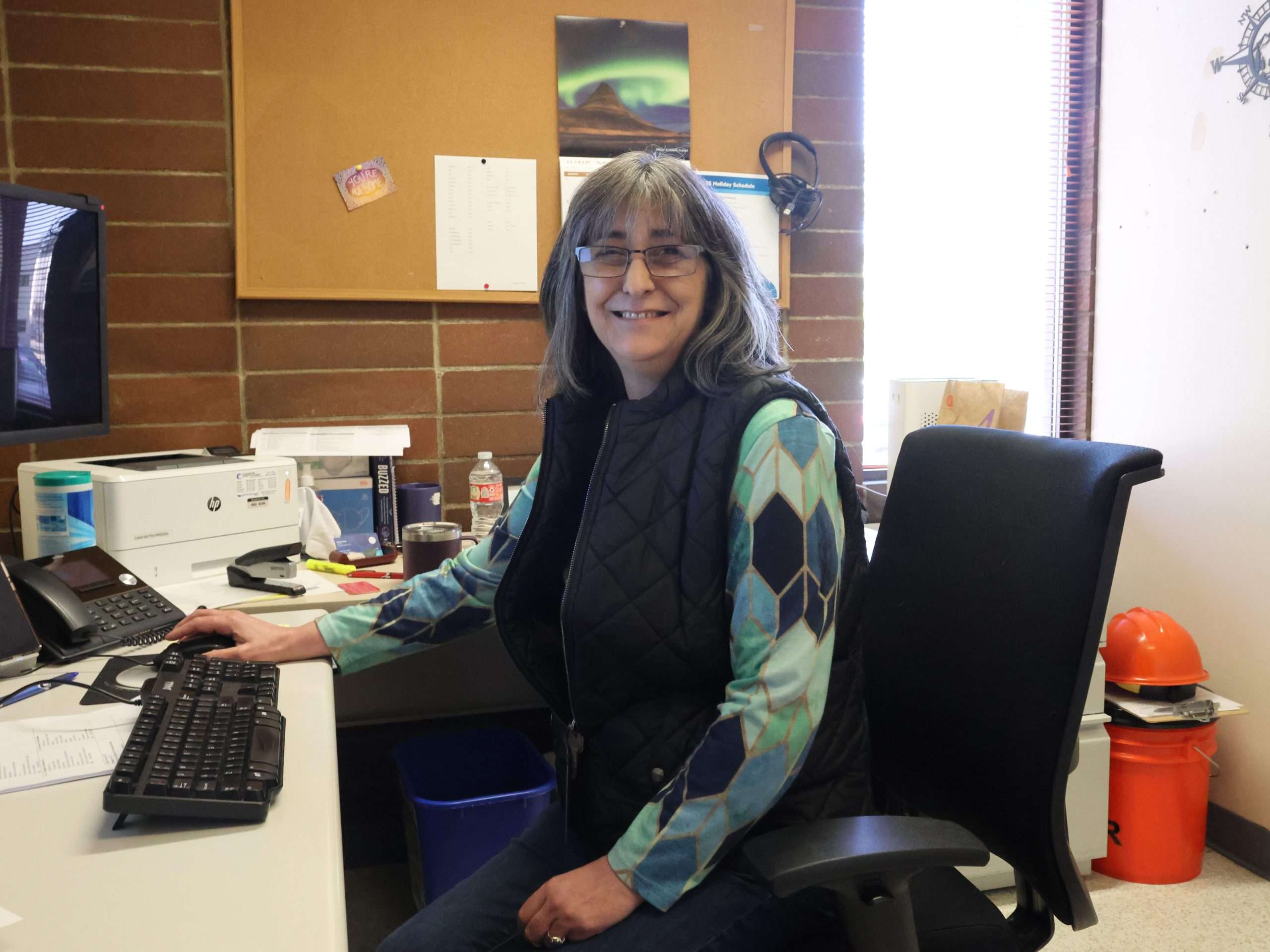
Ashley Callanan is a dispensing nurse. She agrees helping people recover from OUD is a special job. Her job is providing medication for OUD. She says these medications, coupled with the coping skills Treatment Services can help provide, save lives.
“Watching them grow and be part of their recovery is pretty cool,” Ashley said.
She’s worked in Treatment Services for 5 years. Some patients come to the clinic several times a week or even daily, so she sees them often and gets to know them. She previously worked in pediatric medicine and said the tools she learned there remind her encouragement and positive affirmation can go a long way. For anyone.
“We tend to get more involved than if we’re working in a doctor’s office or something,” Ashley said.
Dispensing medicine to the same people helps you grow relationships with them, she said. Everyone feels like they’re part of a team, rooting for the same goal of recovery.
“People come in and tell you something exciting like they got a job,” Ashley said. “We see people from start to finish. To see them grow from where they start is extremely inspiring. To see the light go back in their eyes is amazing.”
Challenges and stigmas to overcome
Ashley and Nicole agree stigma still surrounds OUD and the medications like methadone that treat it. It’s never easy to admit to yourself you have a problem. And medications for OUD can take time to get right – it can take time to find the right medication dose, and sometimes people try different medications to find the best fit.
Often, too, other life difficulties can make it hard for people to get the treatment they need. Many patients battle with homelessness, mental health challenges, or transportation issues that make it hard to come to Treatment Services regularly.
“A lot of times when people come into harm reduction, they need food, clothing or other wraparound services,” Nicole said. “Sometimes it can be hard to get the care you need when there are so many challenges.”
Regardless of life challenges, taking the first step to recovery is a difficult one. But our staff offers one of the safest places to begin the recovery journey.
“There is no judgment here,” Nicole said. “Don’t be afraid to call. Just call.”
Do you or someone you know struggle with opioid use disorder? We can help. Our services include:
- Medications for opioid use disorder, including:
- Methadone.
- Buprenorphine (often called Suboxone).
- Long-acting injectable forms of buprenorphine (such as Sublocade and Brixadi).
- Long-acting injectable forms of naltrexone (often called Vivitrol).
- Group and individual counseling.
- Ongoing care and follow-up.
- Education.
- Resources and referrals.
Come to our walk-in clinic Monday–Friday starting at 5a.m. at 3629 S D Street, Tacoma, WA, 98418. You can get admitted to the program and medication for opioid use disorder on the same day. Call (253 )649-1406 to check availability for that day, but we try our hardest to get everyone in. Learn more on our website.
Treatment Services may feel like a busy place. But people like Nicole and Ashley make it feel personal. They’re here to help.
“This is a safe space,” Nicole said. “This is a place where we are going to help you.”